
Understanding and Beating Burnout
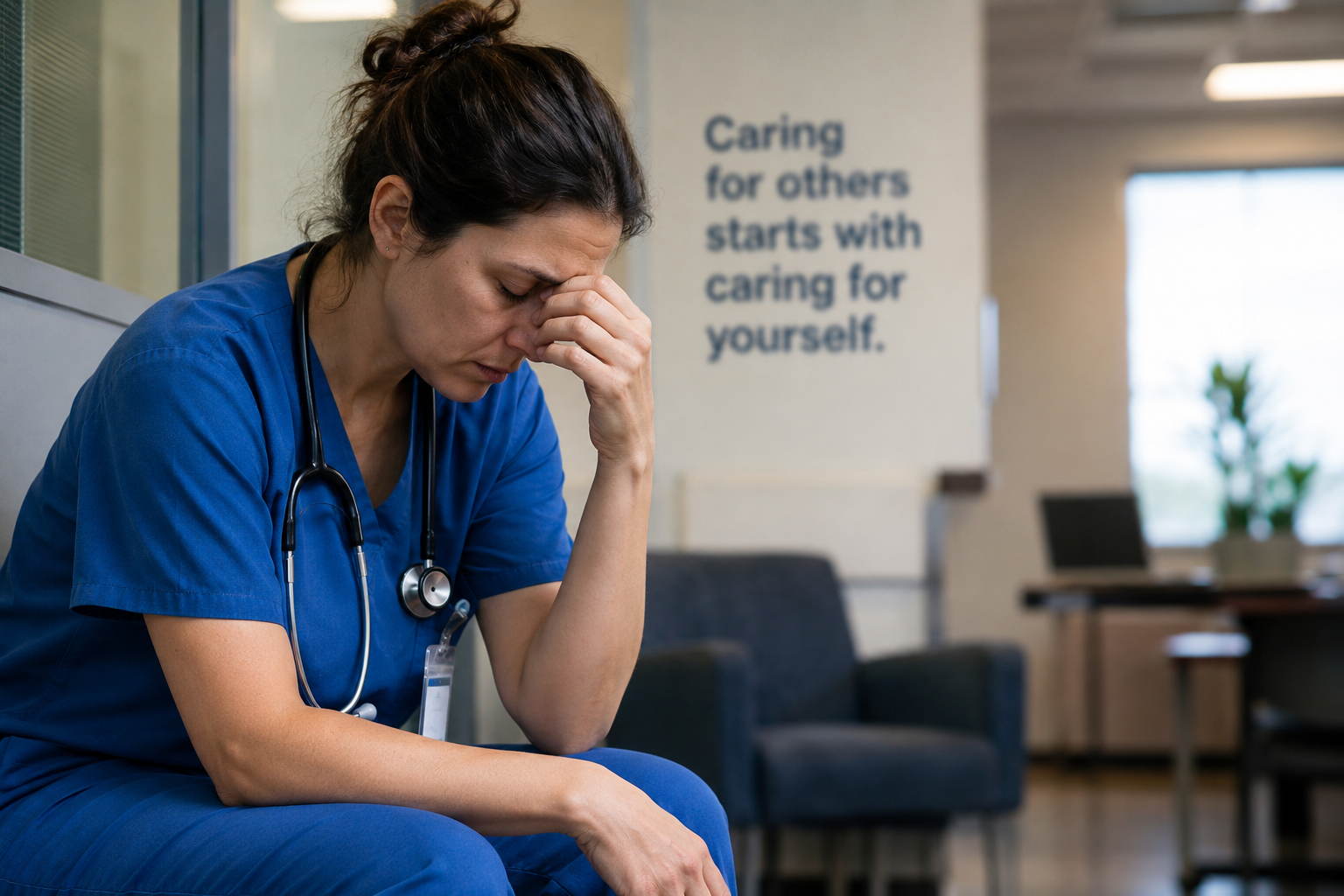
Burnout is common in medicine but it is not inevitable. Understanding it is the first step to preventing and recovering from it.
Burnout is often spoken about as though it is simply a consequence of working hard. In reality, it is more complex than that. Burnout develops when the demands placed on a person repeatedly exceed the time, energy, support, and resources available to meet them. Over time, this imbalance can lead to emotional exhaustion, a sense of detachment from work, and a reduced feeling of achievement or purpose.
In medicine, burnout is unfortunately common. Long hours, emotional responsibility, rota pressures, difficult clinical decisions, and the constant need to perform at a high level can all take their toll. Many doctors become used to pushing through tiredness and stress, often because they feel that everyone else is doing the same. But burnout is not a badge of honour, and it is not a personal weakness. It is usually a sign that something has been unsustainable for too long.
Recognising the early signs is important. Burnout does not always appear suddenly. It can begin quietly: feeling persistently tired despite rest, becoming more irritable than usual, finding it harder to care, or feeling increasingly cynical about patients, colleagues, or the system. Work that once felt meaningful may start to feel draining or pointless. Small tasks can feel overwhelming. Some people may withdraw from others, while others may continue functioning outwardly but feel increasingly empty or disconnected inside.
These signs matter because early recognition creates the opportunity to act before things become more serious. Noticing burnout in ourselves can be difficult, especially in a profession where resilience is often praised and vulnerability may feel uncomfortable. It can be equally important to notice changes in colleagues: someone becoming unusually quiet, short-tempered, disengaged, or exhausted may be struggling more than they are saying.
Beating burnout requires more than telling individuals to “look after themselves”. Rest, exercise, sleep, hobbies, time with family and friends, and boundaries around work are all important, but they are only part of the picture. Burnout is rarely solved by individual effort alone. It also requires supportive teams, realistic workloads, compassionate leadership, and a culture where people can speak honestly about pressure without fear of judgement or career consequences.
Small actions can make a meaningful difference. Checking in on a colleague, offering practical help after a difficult shift, encouraging someone to take a proper break, or simply creating space for honest conversation can all help reduce the sense of isolation that often comes with burnout. At an organisational level, safe staffing, access to leave, mentoring, supervision, and psychologically safe working environments are essential.
For doctors, especially those working away from home or building careers in demanding systems, community matters. The Cyprus Medical Society UK recognises the importance of connection, peer support, and looking after one another as professionals and as people. Medicine can be deeply rewarding, but it should not come at the cost of our wellbeing.
Burnout is common, but it is not inevitable. By recognising the signs early, supporting each other openly, and building healthier working cultures, we can help protect both ourselves and the colleagues around us. Seeking help early is not a failure — it is a responsible and necessary step towards sustaining a meaningful, healthy career in medicine.
Written by
Cyprus Medical Society UK Editorial