
From Medical School to the Foundation Programme
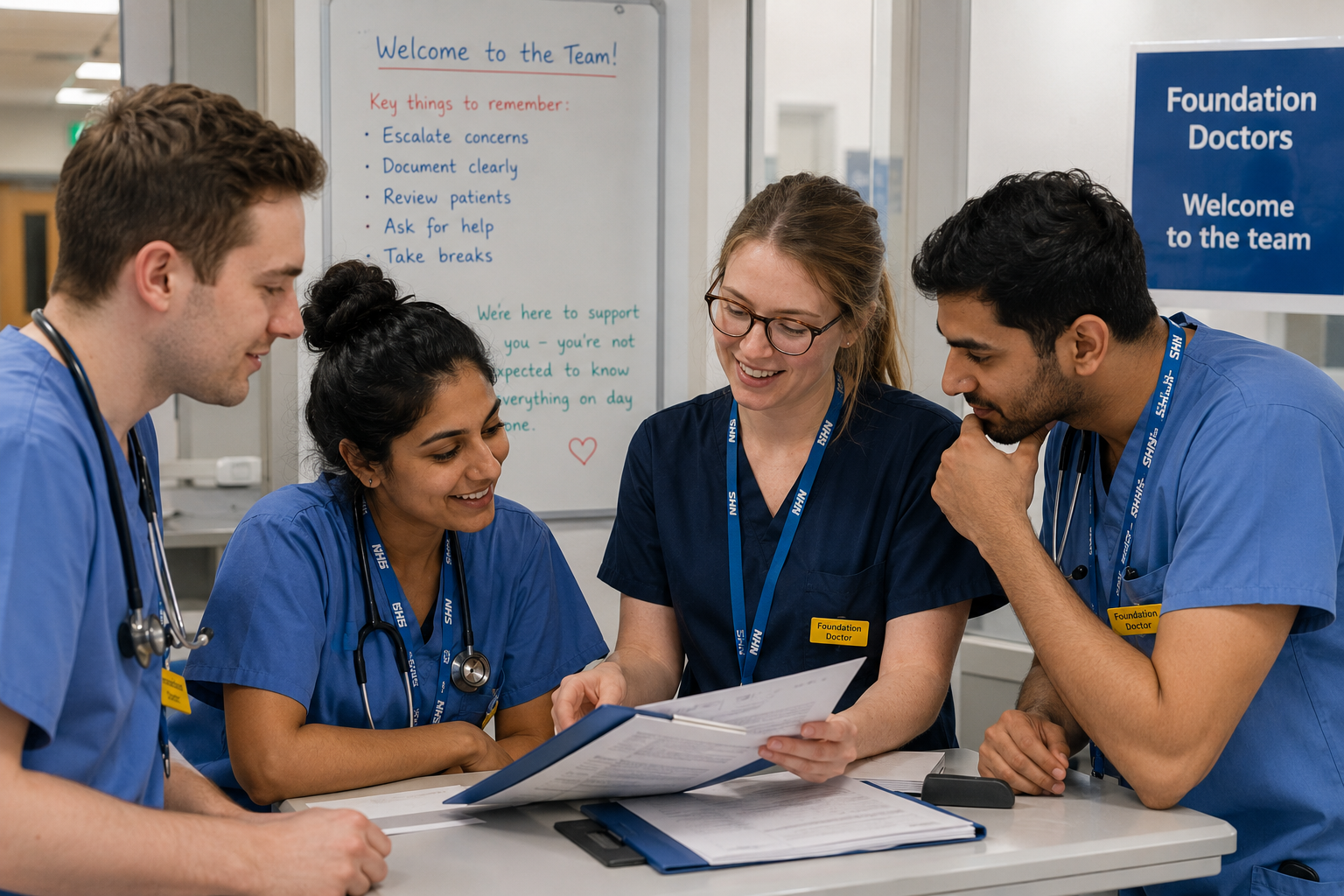
The move from final-year student to foundation doctor is a big step. Here is what to expect and how to prepare for a confident start.
The transition from medical school to the Foundation Programme is one of the biggest steps in a medical career. It is the moment when years of lectures, placements, examinations, and supervised learning become day-to-day responsibility on the wards. For many final-year students, it is exciting, but it can also feel daunting. Becoming a doctor is not simply a change in title; it brings a new rhythm, new expectations, and a new sense of accountability.
Understanding the application and allocation process helps students feel more prepared. Final-year students apply through a national process and are allocated to foundation schools and programmes through Oriel. In recent years, the system has changed, so students should always check the current UK Foundation Programme Office guidance rather than relying on advice from older cohorts. The key practical point is that students should engage early with the process, understand the timeline, and think carefully about their preferences, location, support networks, and personal circumstances.
The Foundation Programme itself is designed to support the move from student to doctor. Foundation Year 1 is not about knowing everything on day one. It is about learning to practise safely under supervision, developing clinical judgement, and becoming more confident with the everyday work of a doctor. New foundation doctors are expected to ask questions, seek help, and escalate concerns. Nobody expects a new FY1 to manage uncertainty alone.
The first few weeks can feel overwhelming. New doctors are suddenly asked to prescribe, review unwell patients, update families, request investigations, write discharge summaries, answer bleeps, and prioritise jobs across a busy ward. Even simple tasks can feel stressful when they are unfamiliar. This is normal. Most doctors remember the early days of FY1 clearly, and most settle more quickly than they expect.
Practical preparation makes a real difference. Before starting, it is helpful to become comfortable with common prescribing, fluid prescribing, insulin and anticoagulation basics, pain relief, antibiotics, VTE assessment, and the local systems used for requesting investigations and documenting notes. It is also useful to understand how the clinical team works: who the registrar is, when to call the consultant, how to contact the on-call team, and when to escalate to critical care or outreach.
Shadowing periods exist for exactly this reason and should be used actively rather than passively. This is the time to learn where things are, how handover works, how ward jobs are prioritised, how to use electronic prescribing, how to make referrals, and how to contact seniors. Following the outgoing FY1 and asking practical questions can be more useful than trying to revise everything in a textbook.
Communication is one of the most important skills in the early Foundation years. A safe FY1 is not the person who knows every answer; it is the person who recognises when they are unsure and communicates clearly. Structured handovers, concise escalation, careful documentation, and honest conversations with nurses, seniors, patients, and relatives all help keep patients safe.
Asking for help early is a strength, not a weakness. Seniors expect questions from new doctors. Nurses, pharmacists, physician associates, advanced clinical practitioners, and ward clerks can also be invaluable sources of practical knowledge. The hospital runs on teamwork, and new doctors learn quickly when they are willing to ask, listen, and build good relationships.
It is also important to protect wellbeing during the transition. The first months of work can be tiring, and many new doctors feel pressure to prove themselves. Rest, food, sleep, time away from the hospital, and connection with friends and family are not optional extras. They help doctors think clearly and practise safely. A sustainable approach from the beginning is far better than trying to survive by constantly pushing through exhaustion.
Mistakes and difficult days will happen. Every doctor has moments where they feel out of depth, receive challenging feedback, or replay a clinical decision afterwards. What matters is responding with honesty, reflection, and support. Speaking to a senior, documenting clearly, learning from events, and being kind to oneself are all part of becoming a safer doctor.
For Cypriot medical students starting the Foundation Programme in the UK, the transition may involve additional adjustments: moving city, being further from family, adapting to a new hospital, and navigating the culture of UK training. Having a community can make this stage feel less isolating. Speaking to doctors who have recently been through the same process can provide practical reassurance that formal guidance alone cannot offer.
The Cyprus Medical Society UK encourages students and new foundation doctors to connect with members who have already walked this path. Advice on ranking preferences, preparing for shadowing, surviving the first on-call, building a portfolio, and managing the emotional shift from student to doctor can be invaluable.
The move from medical school to the Foundation Programme is challenging, but it is also a period of enormous growth. With preparation, humility, support, and a willingness to ask for help, new doctors quickly begin to find their feet. The aim is not to be perfect from the first day. The aim is to be safe, honest, curious, and ready to keep learning.
Written by
Cyprus Medical Society UK Editorial